
Leadership & Strategy
Leading for Longevity: Building Teams People Don't Want to Leave People don't leave hard jobs. They leave bad environments. In Navy EOD, the work is...

Daniel Dopler
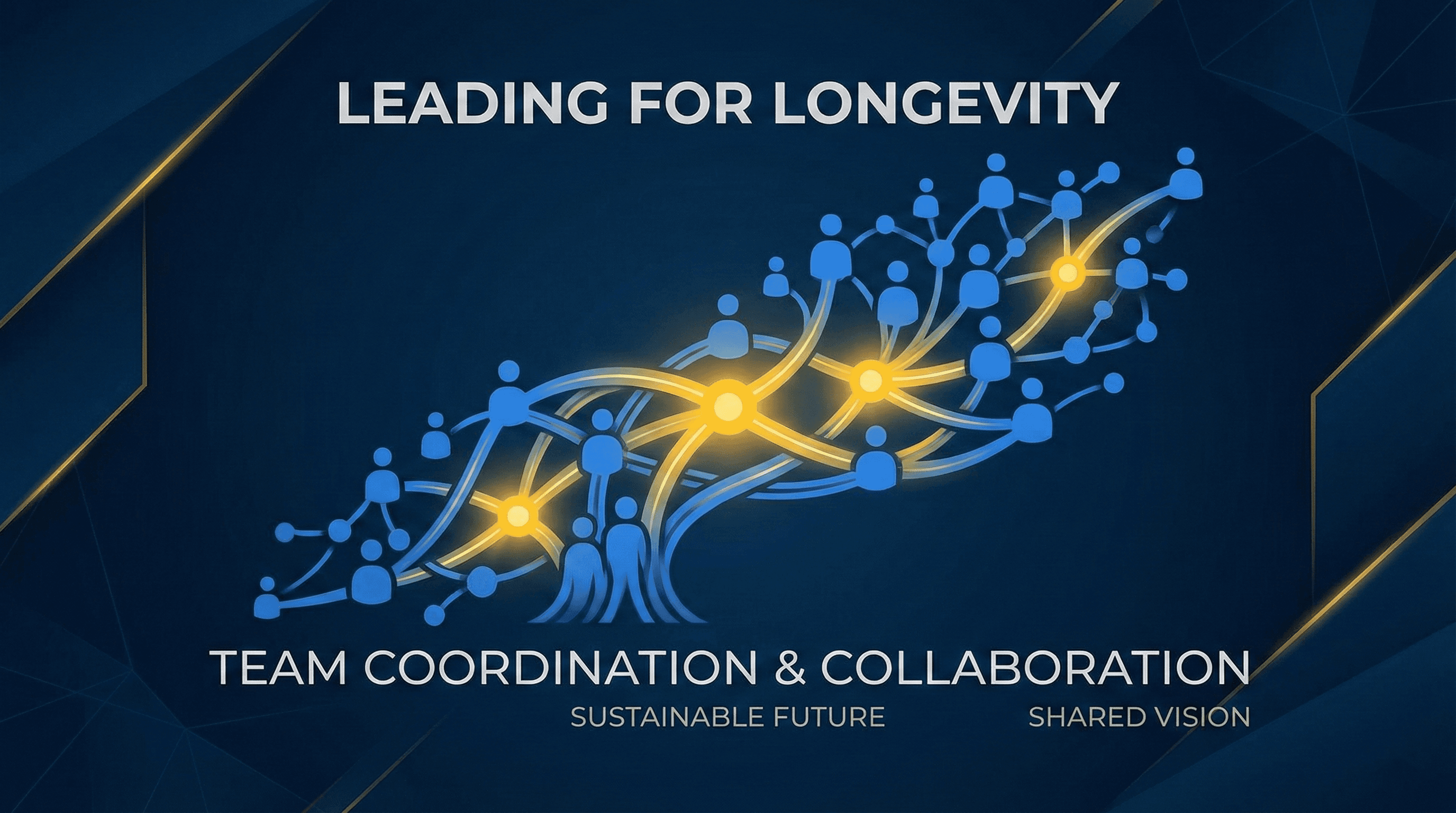
Leading for Longevity: Building Teams People Don't Want to Leave
People don't leave hard jobs. They leave bad environments.
In Navy EOD, the work is inherently high-stress. Long deployments, life-or-death decisions, and constant operational tempo create natural pressure. But the greatest leadership challenge I faced wasn't the danger of the missions themselves. It was maintaining the morale and commitment of the elite operators who performed them.
When I assumed leadership of three cross-functional EOD teams, I inherited a culture shaped by traditional command and control. Turnover was climbing. Experienced technicians were counting down days until they could leave. I made a commitment: we would not just survive the deployment. We would emerge as a more cohesive, resilient unit that people wanted to stay part of.
The Problem: When Talent Walks Away
Elite units face a paradox. The autonomy and decision-making ability that makes an operator exceptional is often stifled by micromanagement from leaders who feel they need to control every variable. The result is predictable: decision fatigue for leaders and disengagement for the team.
The cost of losing a trained EOD technician isn't just operational. It represents hundreds of thousands of dollars in specialized training and often a decade of irreplaceable field experience walking out the door. During my first month in command, I watched peer units hemorrhage talent at rates exceeding 40% annual turnover. People were leaving not because the job was too hard, but because the environment made it unbearable.
The Solution: From Control to Empowerment
I shifted the leadership model from management to empowerment, building a culture on three foundational principles:
Radical Candor Without Rank
I implemented a flat feedback structure during mission debriefs. When we gathered to analyze what went right or wrong, rank was set aside. A junior technician could challenge my decisions. A team leader could admit a mistake without fear of retaliation.
After one particularly challenging mission where we had a close call, my team openly critiqued a tactical decision I had made. They were right. That conversation built more trust than a dozen successful missions because it proved that getting better mattered more than protecting egos.
Psychological Safety as Operational Necessity
I made it explicitly safe to say "I don't know" or "I need a break." In high-stakes environments, people often try to power through exhaustion or uncertainty because they don't want to appear weak. That's when catastrophic mistakes happen.
I modeled this behavior myself. When I was running on four hours of sleep and facing a complex decision, I told my team I needed two hours to rest before we proceeded. That permission to be human cascaded through the unit. People started speaking up before they hit their breaking point, not after.
Mission Ownership Through Autonomy
I stopped telling my team how to solve problems. Instead, I gave them the mission objective and the resources, then stepped back. They owned the execution.
When we received a complex disposal mission involving unfamiliar ordnance, I didn't dictate the approach. I said, "Here's what needs to happen and why. You're the experts. Build the plan." They designed a solution I wouldn't have thought of, and they executed it flawlessly because it was theirs.
This ownership over the "how" became the ultimate driver of professional fulfillment.
The Impact: People Chose to Stay
The cultural shift produced measurable results that went beyond mission success.
Retention and performance metrics:
Achieved 89% retention rate while peer units averaged below 60%
Teams operated with 30% less direct oversight because they were empowered to make decisions
My units became "destination assignments" where high performers actively requested transfers
More importantly, the quality of our work improved. When people feel ownership over their missions and trust in their leadership, they don't just stay longer. They perform better. Problems got solved faster. Innovation increased. The team's operational tempo actually accelerated even as my direct involvement decreased.
The Counter-Intuitive Point
Most retention strategies focus on the people who are leaving. Exit interviews, departure surveys, off-boarding conversations. By the time you're doing those, the decision is made and the institutional knowledge is walking out the door.
The highest-leverage retention move is the opposite: obsessive attention to your top performers while they're still fully engaged, before they've started mentally drafting their resignation. The warning signs are always visible in retrospect. The trick is seeing them in real time, a drop in initiative, questions about career paths that weren't coming up before, slightly shorter answers in one-on-ones.
Leaders who wait for disengagement to become visible are fighting a retention battle they've already lost. Leaders who build environments where engagement is continuously reinforced never have to fight it at all.
The Takeaway: Leadership That Scales
The principles that drove retention in EOD teams apply directly to any high-performing organization. Whether you're leading a bomb disposal unit or a software engineering team, the fundamentals are the same: provide a mission that matters, create an environment of trust and autonomy, and get out of the way.
Retention isn't about perks or bonuses. It's about creating a culture where talented people want to stay because the environment brings out their best work. In my next role, I'm looking to build that same culture of empowerment, candor, and ownership in organizations where retaining top talent is the competitive advantage.